
Every international dialling code
195 countries with their calling code, ISO codes and population. For the markets we have researched, each page also covers sender ID rules, operators and what regulators require before you can send.
Full SMS guides
These markets have researched sender ID, operator and regulatory detail. Hover a card to see its number format and networks.
 US+1United States310,232,863 people+1 (NPA) NXX-XXXXAT&T · VerizonView SMS guide →
 IN+91India1,173,108,018 people+91 XXXXX XXXXXReliance Jio · Bharti AirtelView SMS guide →
 GB+44United Kingdom62,348,447 people+44 7XXX XXXXXXEE · O2View SMS guide →
 AE+971United Arab Emirates4,975,593 people+971 5X XXX XXXXEtisalat (e&) · duView SMS guide →
 SA+966Saudi Arabia25,731,776 people+966 5X XXX XXXXSTC · MobilyView SMS guide →
 NG+234Nigeria154,000,000 people+234 XXX XXX XXXXMTN Nigeria · Airtel NigeriaView SMS guide →
 ID+62Indonesia242,968,342 people+62 8XX XXXX XXXXTelkomsel · Indosat Ooredoo HutchisonView SMS guide →
 PH+63Philippines99,900,177 people+63 9XX XXX XXXXGlobe Telecom · Smart CommunicationsView SMS guide →
 BR+55Brazil201,103,330 people+55 (XX) 9XXXX-XXXXVivo · ClaroView SMS guide →
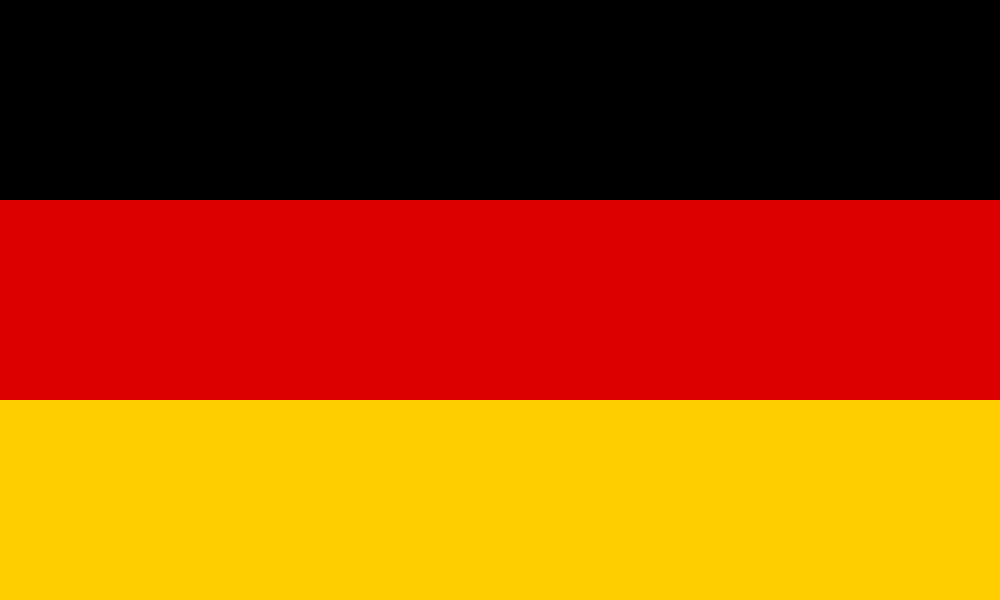 DE+49Germany81,802,257 people+49 15X XXXXXXXXTelekom · VodafoneView SMS guide →
 FR+33France64,768,389 people+33 6XX XX XX XX or 7XXOrange · SFRView SMS guide →
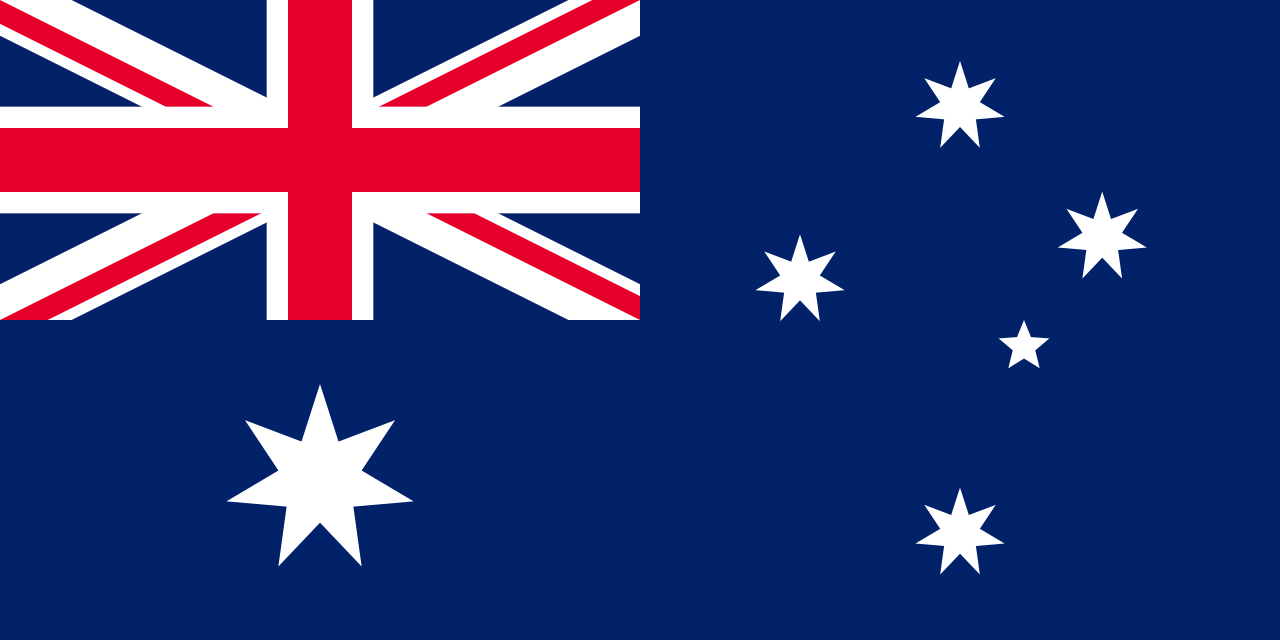 AU+61Australia21,515,754 people+61 4XX XXX XXXTelstra · OptusView SMS guide →
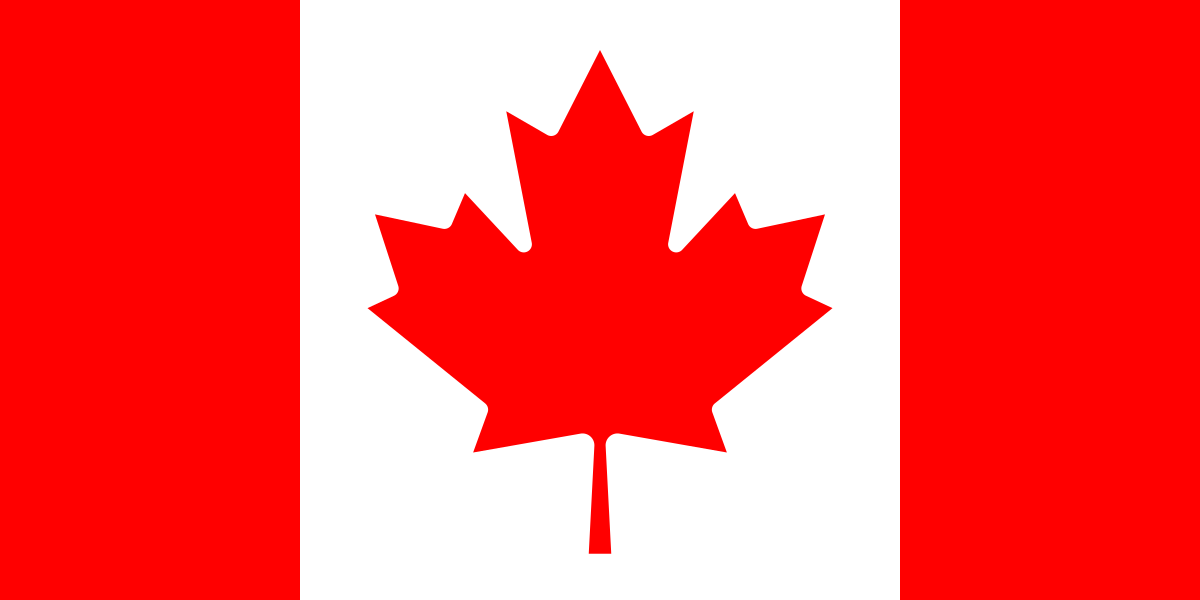 CA+1Canada33,679,000 people+1 (NPA) NXX-XXXXRogers · BellView SMS guide →
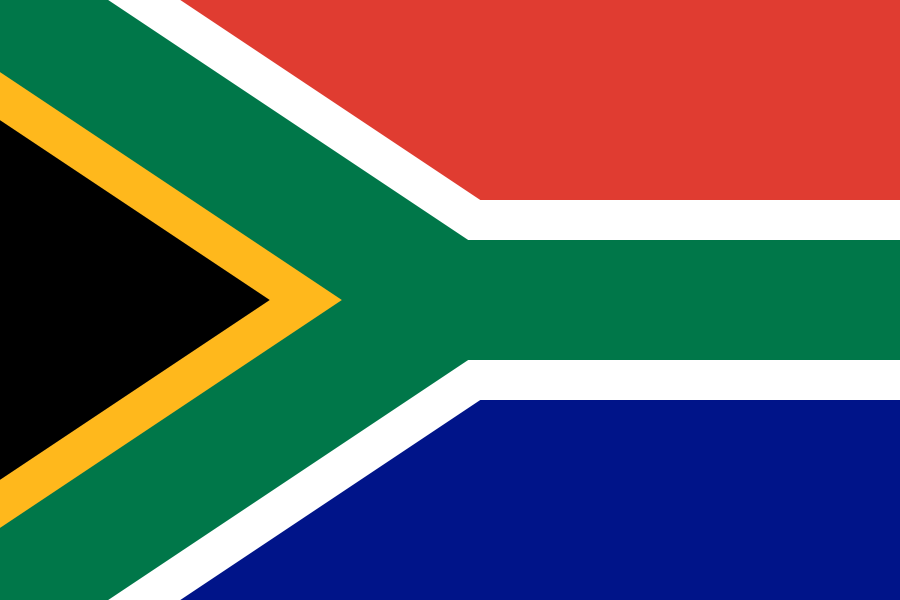 ZA+27South Africa49,000,000 people+27 6X/7X/8X XXX XXXXVodacom · MTN South AfricaView SMS guide →
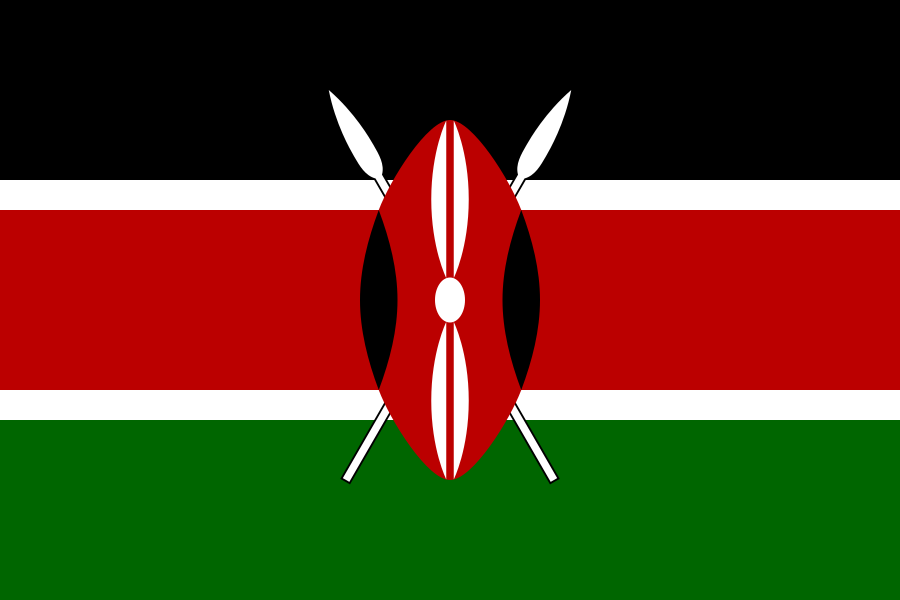 KE+254Kenya40,046,566 people+254 7XX XXX XXXSafaricom · Airtel KenyaView SMS guide →
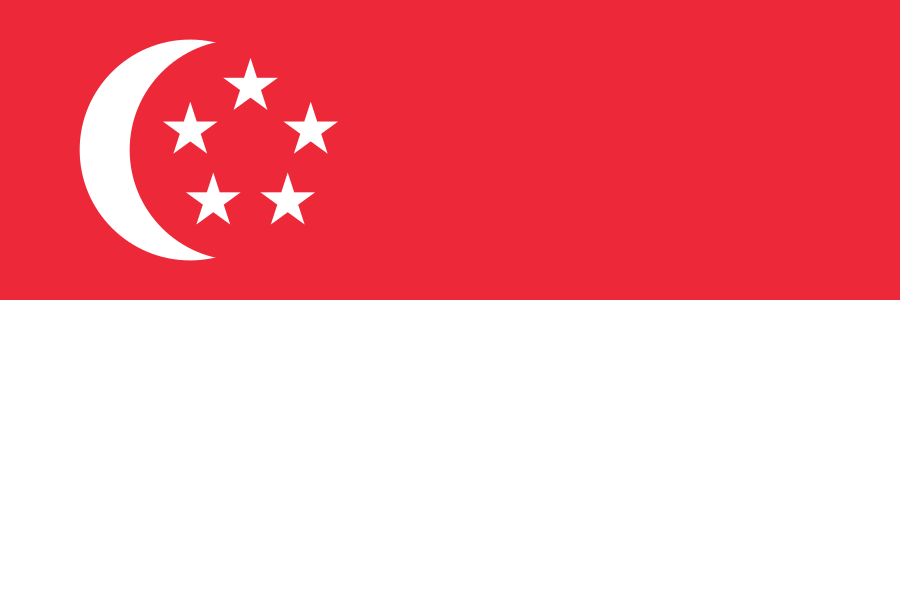 SG+65Singapore4,701,069 people+65 8XXX XXXX or 9XXX XXXXSingtel · StarHubView SMS guide →
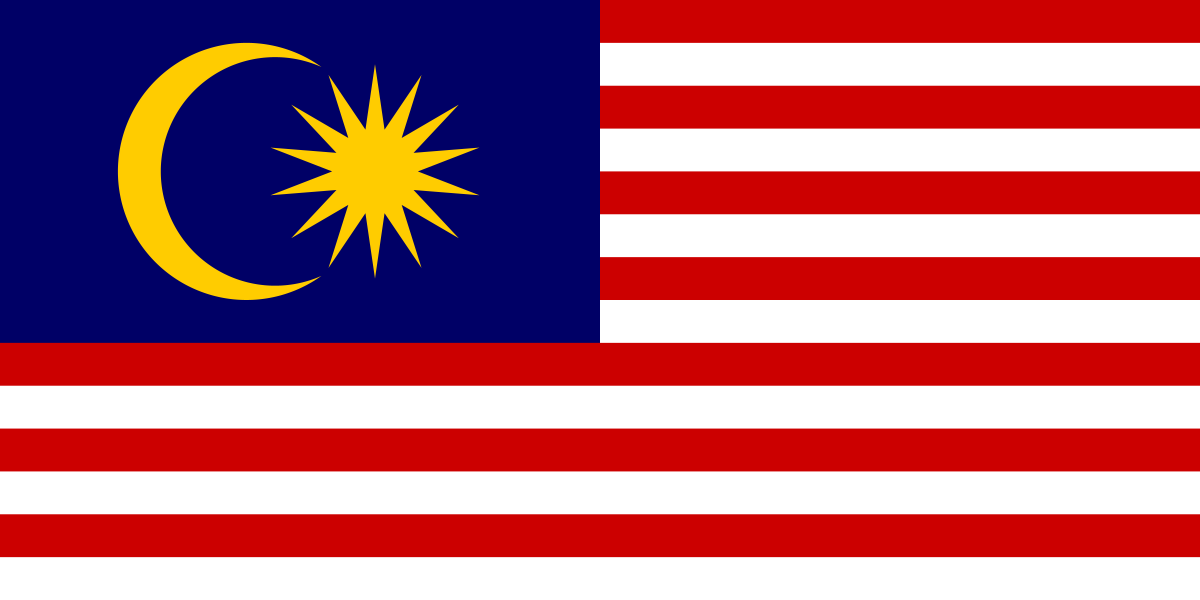 MY+60Malaysia28,274,729 people+60 1X XXX XXXXMaxis · CelcomView SMS guide →
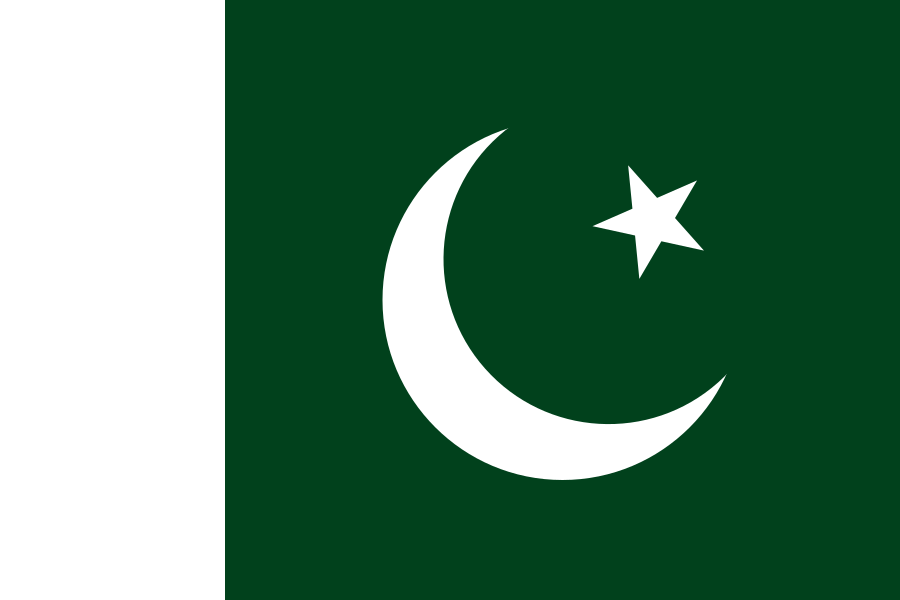 PK+92Pakistan184,404,791 people+92 3XX XXX XXXXJazz · ZongView SMS guide →
 BD+880Bangladesh156,118,464 people+880 1XXX XXXXXXGrameenphone · RobiView SMS guide →
 EG+20Egypt80,471,869 people+20 1XX XXX XXXXVodafone Egypt · Orange EgyptView SMS guide →
What a country code actually is
Every number on this page is one part of a longer string. Here is what each part does, and the three things that most often go wrong.
Written together with no spaces or punctuation — +919876543210 — that is E.164, the format every network and API agrees on.
All country calling codes
Pick a continent, or search by name, code or ISO. Countries with a published guide link through; the rest are listed for reference.
 AfghanistanAF+93
 ArmeniaAM+374
 AzerbaijanAZ+994
 BahrainBH+973BangladeshBD+880
 BhutanBT+975
 BruneiBN+673
 CambodiaKH+855
 ChinaCN+86
 GeorgiaGE+995IndiaIN+91IndonesiaID+62
 IranIR+98
 IraqIQ+964
 JapanJP+81
 JordanJO+962
 KazakhstanKZ+7
 KuwaitKW+965
 KyrgyzstanKG+996
 LaosLA+856
 LebanonLB+961MalaysiaMY+60
 MaldivesMV+960
 MongoliaMN+976
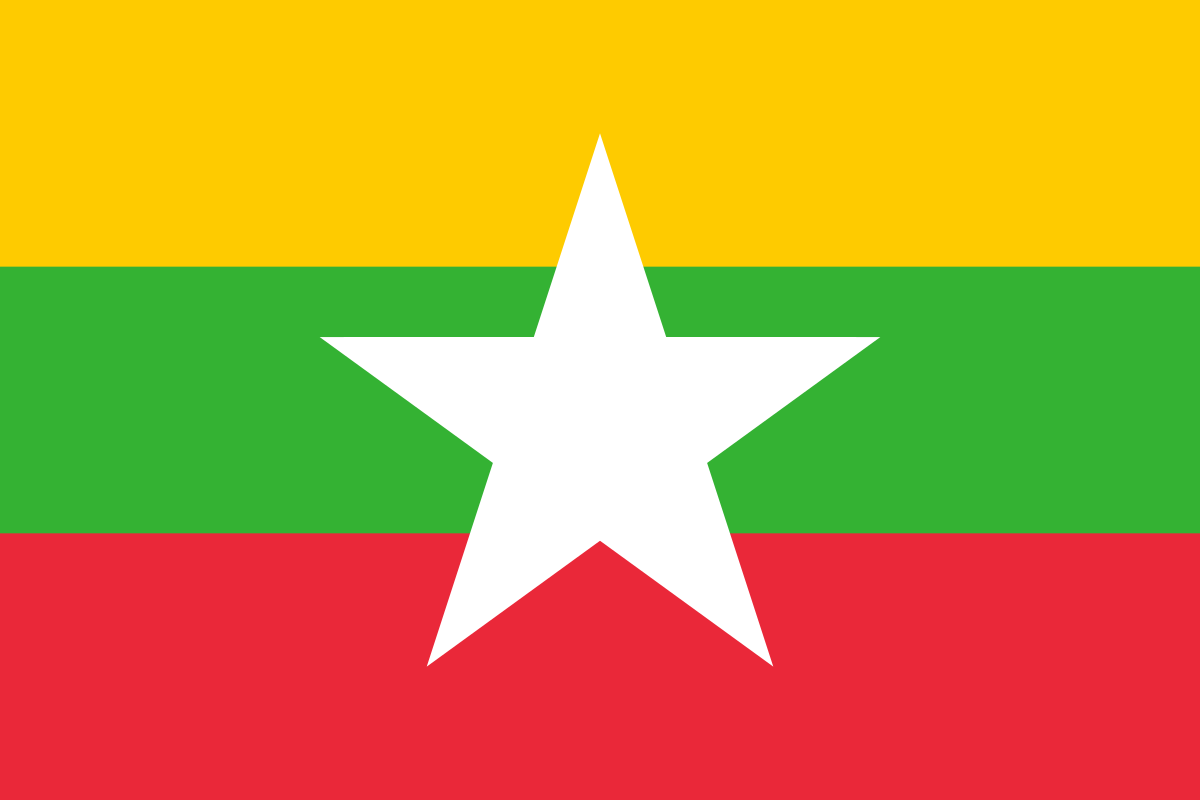 MyanmarMM+95
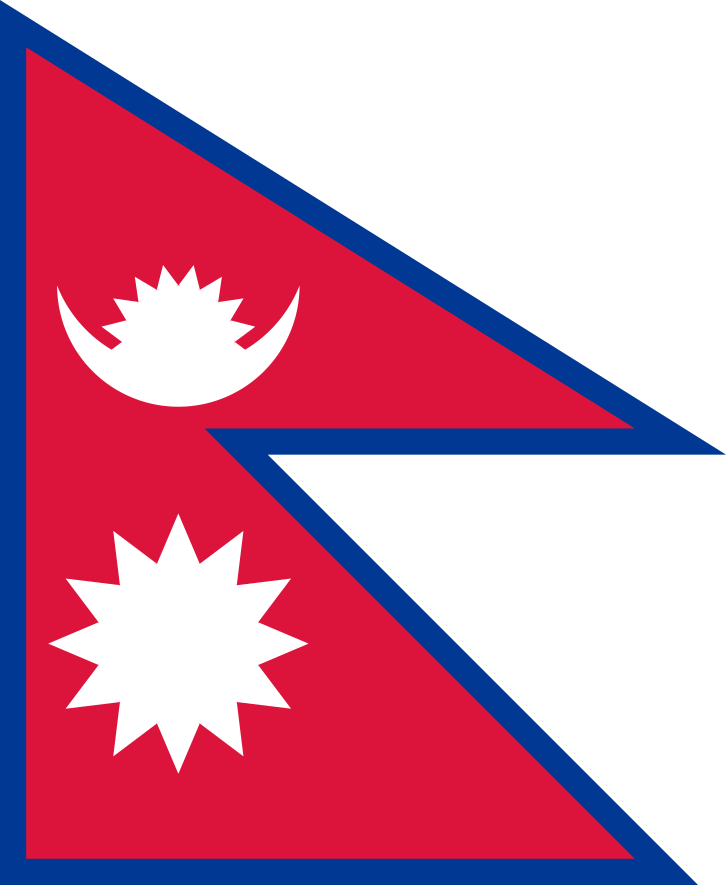 NepalNP+977
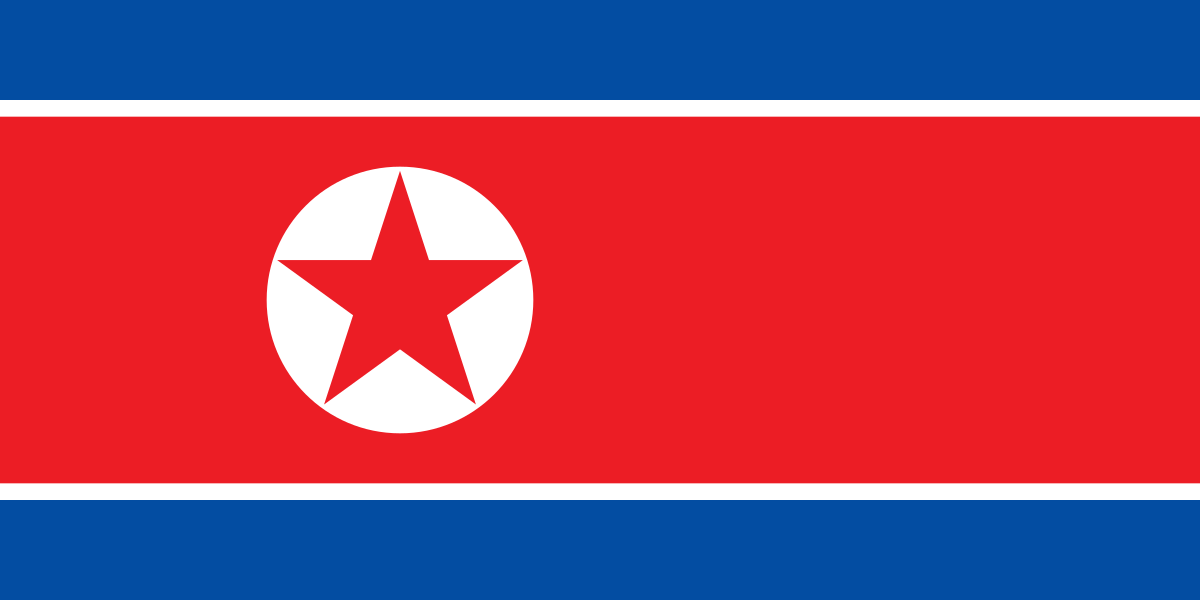 North KoreaKP+850
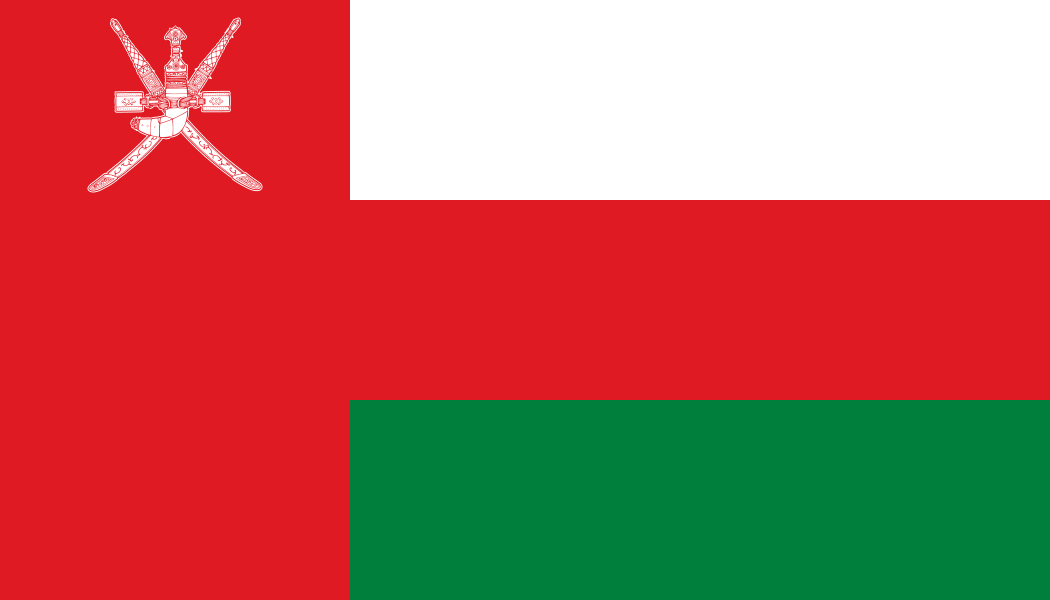 OmanOM+968PakistanPK+92
 PalestinePS+970PhilippinesPH+63
 QatarQA+974
 RussiaRU+7Saudi ArabiaSA+966SingaporeSG+65
 South KoreaKR+82
 Sri LankaLK+94
 SyriaSY+963
 TajikistanTJ+992
 ThailandTH+66
 Timor-LesteTL+670
 TürkiyeTR+90
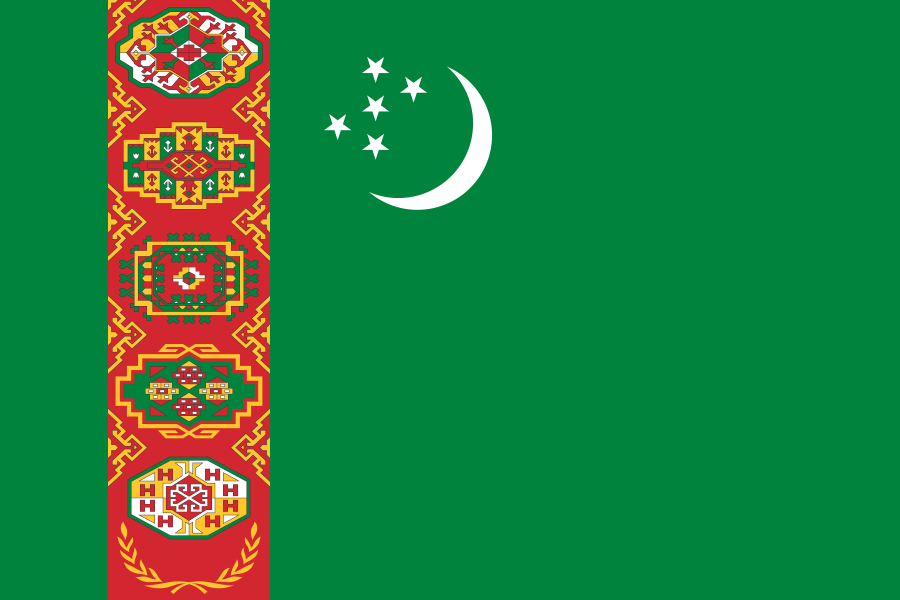 TurkmenistanTM+993United Arab EmiratesAE+971
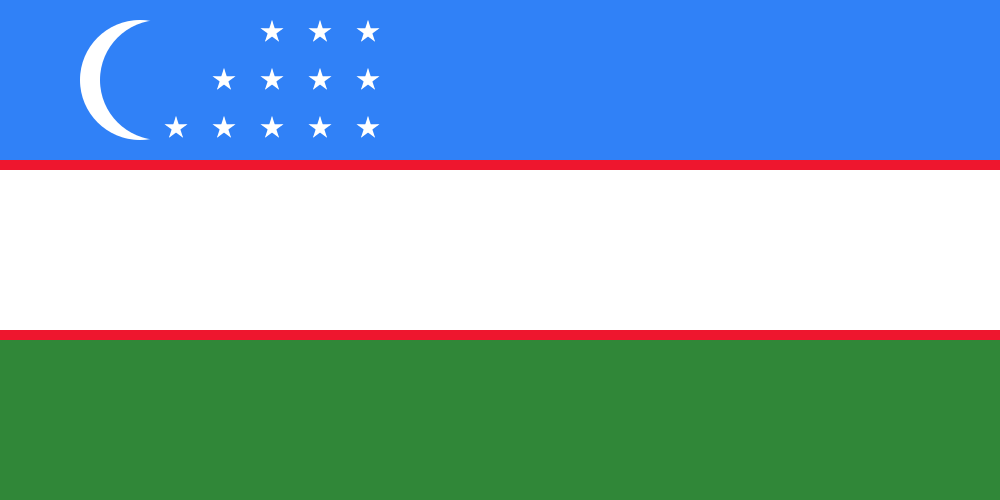 UzbekistanUZ+998
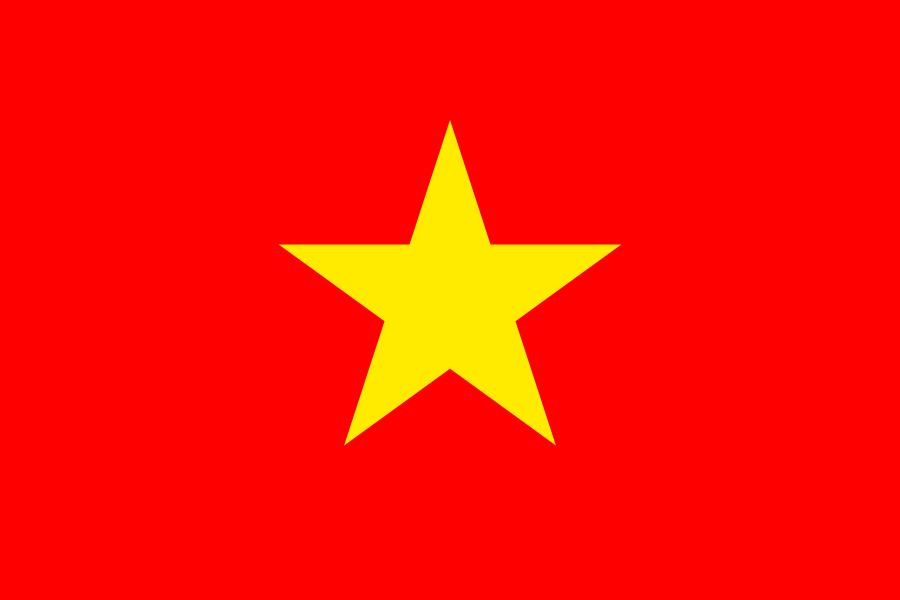 VietnamVN+84
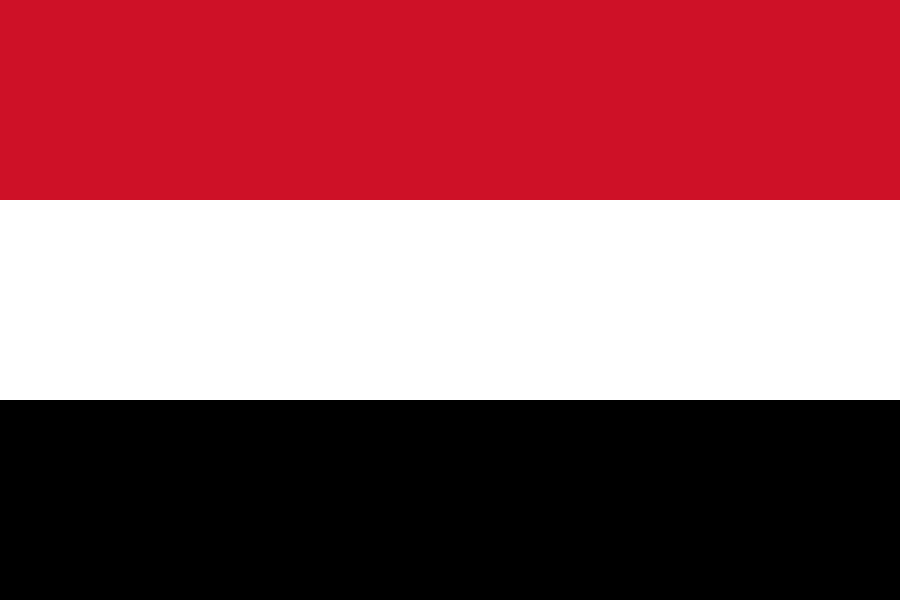 YemenYE+967
Why the same message costs more in some countries
Rarely the country code itself. Usually the alphabet — which decides how much text fits in one billable segment.
Changes that quietly break contact lists
Countries renumber and rename. Numbers collected before a change look perfectly valid and simply never arrive.
Six in seven years, and none announced to the people holding the old numbers. A list gathered before any of them still looks valid — right digit count, right prefix — and simply never arrives.
Send to every country code from one account
Direct routes, per-operator delivery reporting and sender ID handling — from one dashboard or one API call.
Country codes — frequently asked questions
A one to three digit prefix that routes an international call or message to the right national network. It comes after the + and before the national number — +44 for the United Kingdom, +91 for India, +234 for Nigeria. The ITU assigns them.
The country code selects the country; an area code selects a region inside it. In +1 (212) 555-0100, +1 is the country code for the North American plan and 212 is the area code for part of New York. Many countries have no area codes at all in their mobile plan.
The North American Numbering Plan puts the United States, Canada and 18 Caribbean nations on +1, distinguished only by area code. Russia and Kazakhstan share +7. So a country code alone does not always tell you which country a number belongs to.
Usually yes. Most countries use a trunk prefix — normally 0 — for domestic dialling, and it is dropped in the international format. UK 07700 900123 becomes +44 7700 900123. The +1 plan has no trunk prefix, so nothing is removed there.
The ITU standard for writing a phone number so it works from anywhere: a plus sign, the country code, then the national number, with no spaces, dashes or brackets, up to 15 digits. Storing numbers this way means your database does not need to know where a message is being sent from.
The destination does, though not because of the code itself — each operator sets its own termination rate. The bigger variable is usually the alphabet: Arabic, Cyrillic, Greek, Hebrew, Thai and CJK scripts are sent as unicode, which cuts a segment from 160 characters to 70 and can double the segments a message needs.
We deliver to every country listed on this page. Some markets require a sender ID to be registered or a template pre-approved before traffic passes, which affects lead time rather than reach — the researched market guides above cover where that applies.